Fortify Your Connection: How Relationship Counseling Can Help You Succeed
Relationship counseling creates a dedicated space for partners to explore their relationship dynamics. It addresses issues like communication barriers and trust deficits. Numerous partners encounter obstacles that feel overwhelming. Nevertheless, expert counseling can open doors to transformation. Gaining insight into these therapeutic approaches can illuminate new ways to strengthen bonds. As partners navigate their unique struggles, the opportunity for meaningful change grows clear. What revelations might emerge about their relationship and individual roles within it?
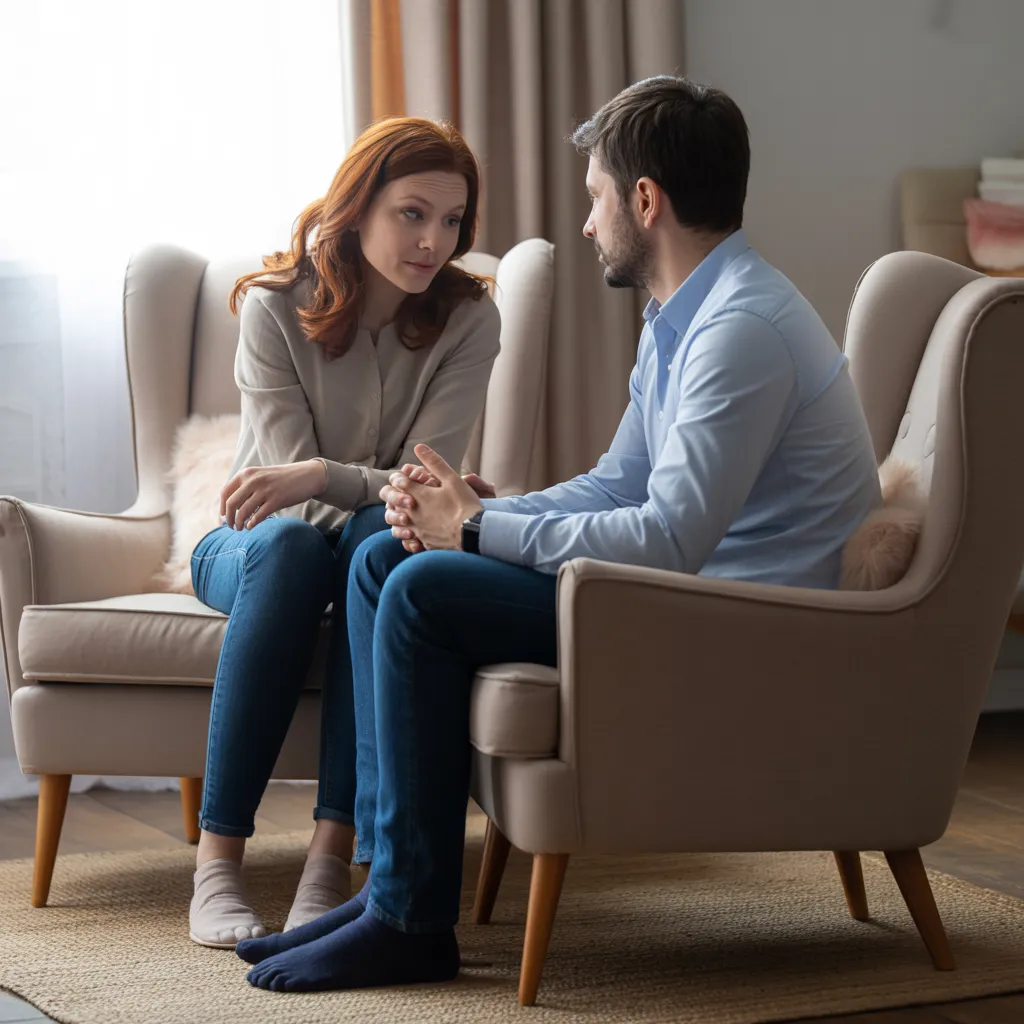
Understanding Couples Counseling: What You Need to Know
What aspects influence how well couples counseling functions? Several key factors are essential to the success of this form of therapy. To begin with, the expertise and background of the counselor can greatly influence outcomes. A qualified therapist establishes a secure space, fostering open communication and trust between partners. Second, the willingness of both people to participate in the process is crucial; resolve to improve and personal development accelerates progress. Next, the clear definition of objectives set at the beginning of counseling can guide sessions and measure success over time. Additionally, active participation in activities and start now conversations helps couples to examine their relationship patterns and establish better behaviors. Lastly, the point at which assistance is sought can impact effectiveness; confronting challenges sooner often leads to better results. Understanding these factors equips couples with the insight needed to get the most from counseling, ultimately strengthening their relationship.
Recognizing Common Relationship Struggles
Couples commonly deal with numerous challenges that test their connection. These challenges can appear in many ways, including communication breakdowns, conflicting values, and lingering disputes. A significant number of couples struggle with trust issues, arising from previous experiences or unfulfilled expectations. Furthermore, monetary pressures frequently create tension, resulting in conflicts over budgeting and financial priorities.
Another common challenge is balancing individual needs with those of the partnership, which can lead to feelings of bitterness or being overlooked. Significant life events, such as the arrival of children or career shifts, may make relationship dynamics even more challenging, requiring couples to adapt continuously.
Acknowledging these frequent challenges is the first step toward resolving them successfully. By recognizing difficulties, couples can work collaboratively to develop strategies, enhancing their emotional bond and resilience in the partnership. This awareness is vital for nurturing a stronger, more harmonious partnership.
How Communication Impacts the Outcomes of Couples Counseling
Clear communication serves a vital function in the effectiveness of couples counseling. Approaches like active listening, expressing emotions clearly, and handling disputes in a positive manner can profoundly affect relationship dynamics. Understanding these methods helps couples address their concerns with greater confidence, promoting stronger and more meaningful connections.
Active Listening Techniques
Active listening serves as a cornerstone in couples therapy, promoting greater understanding and connection between partners. This approach involves fully engaging with a partner's copyright, in both verbal and non-verbal ways. Counselors often encourage couples to sustain eye contact, nod in acknowledgment, and resist the urge to interrupt. Echoing back what has been expressed can also bring clarity to intentions and feelings, enabling a more nuanced conversation. Moreover, summarizing key points shows attentiveness and validates the speaker's emotions. By applying these techniques, couples can reduce misunderstandings and foster empathy, ultimately enhancing their emotional bond. Active listening revolutionizes communication, empowering partners to manage conflicts more effectively and build a supportive environment for development and healing in their relationship.
Communicating Emotions Successfully
Expressing emotions effectively plays a crucial role in determining the success of couples counseling. When partners communicate their feelings with precision, it promotes empathy and mutual understanding, allowing both individuals to connect on a deeper level. This clarity improves the healing experience, enabling the counselor to identify underlying issues and patterns. Additionally, voicing feelings works to break down barriers that may have formed over time, creating a protected setting for honest expression. By mastering the art of conveying feelings, couples learn to communicate their needs and desires without resorting to blame or defensiveness. As a result, this practice not only improves the counseling experience but also provides couples with essential interpersonal tools that can enhance their bond outside of counseling.
Addressing Conflicts in a Constructive Way
Clear communication not only facilitates the expression of emotions but also plays a significant role in resolving conflicts constructively. Within couples therapy, meaningful conversation allows partners to express their needs and concerns without heightening tensions. By utilizing active listening methods, couples can develop a greater appreciation of each other's perspectives, promoting empathy and decreasing miscommunication. Counselors regularly coach couples on the use of "I" statements, which enable the expression of emotions without directing fault at a partner. This method promotes a cooperative environment where resolutions can be sought rather than concentrating exclusively on the issue. Furthermore, establishing guidelines for conversations, such as stepping away when feelings become overwhelming, can encourage more positive exchanges. In the end, productive conflict resolution reinforces relationships, opening the door to stronger bonds and shared respect.
Key Strategies in Couples Counseling for Healthier Relationships
Building a solid base in couples counseling necessitates the implementation of proven methods that foster open communication and mutual understanding. One key method is active listening, where partners are taught to completely immerse themselves in each other's perspectives without interruption. This cultivates empathy and diminishes defensiveness. Moreover, using "I" statements empowers individuals to express their feelings without blaming the other, creating a more constructive dialogue.
Another effective technique is the establishment of scheduled check-ins, giving couples the opportunity to talk about their relationship before issues arise rather than after. This creates a safe space for expressing concerns and celebrating successes.
copyright activities can also be beneficial, as they give partners the opportunity to experience each other's viewpoint and develop a deeper understanding of each other's experiences. By integrating these techniques, couples can build a stronger connection, address disagreements with greater success, and develop a deeper understanding of one another, which ultimately results in a stronger and more fulfilling partnership.
How Couples Counseling Supports You Through Life Changes
Partners commonly experience significant life changes that can challenge their relationship dynamics. Changes such as changing residences, employment shifts, or starting a family can create stress and uncertainty. Couples counseling offers a safe and guided space for spouses to navigate these shifts together. Through facilitated dialogue, spouses can articulate their feelings, identify their needs, and develop coping strategies.
Counselors provide resources to improve interaction, nurturing an atmosphere of empathy and mutual respect. Such guidance enables couples navigate evolving roles and obligations while preserving a healthy bond. By resolving core challenges, partners can stop conflicts from developing into conflict.
Furthermore, professional guidance helps partners to perceive changes as avenues for personal growth rather than challenges to be feared. As they grow in their ability to face obstacles as a team, couples often emerge more resilient and united. Ultimately, relationship counseling stands as an invaluable tool throughout life's shifts, allowing couples to grow and succeed through life's transitions.
Reestablishing Trust Through Couples Counseling
When trust is broken within a relationship, the path to healing can feel challenging, yet couples counseling provides a helpful structure for reestablishing that bond. In this setting, couples can openly discuss feelings of betrayal, uncover underlying issues, and break down communication barriers. The therapist acts as a neutral facilitator, guiding both partners in expressing their emotions without criticism.
In guided sessions, couples are taught to recognize patterns that contributed to the breach, promoting greater self-awareness and insight. This approach promotes personal accountability, helping each person acknowledge their role while working toward genuine forgiveness. Skills like active listening and empathy are prioritized, helping partners reconnect emotionally.
In the end, couples counseling serves to rebuild trust while simultaneously strengthening the bond between partners, arming couples with the resources to navigate future challenges. Such a forward-thinking strategy builds resilience, encouraging a more profound relationship built on renewed trust and mutual respect.
Choosing the Ideal Couples Therapist for Your Path
Finding the right couples counselor is vital for a productive therapeutic experience. The effectiveness of a counselor is greatly influenced by their credentials and experience, while a compatible communication style can strengthen the bond between the therapist and the couple. Recognizing these key elements can assist couples in making a thoughtful choice for their therapeutic journey.
Experience and Credentials Are Essential
Selecting the best couples advisor can substantially impact the effectiveness of therapy, as their credentials and background play an essential role in supporting couples through difficulties. In searching for a therapist, couples should look for experts with appropriate credentials, such as a graduate degree in social work or psychology, and specialized training in couples therapy. Certifications from respected bodies, like the AAMFT, can further validate a therapist's qualifications. Experience plays an equally vital role; professionals who have guided diverse couples can deliver helpful guidance customized for individual circumstances. Through choosing a qualified and experienced counselor, couples can cultivate a constructive setting, enhancing their pursuit of relationship growth and healing.
Compatibility in Communication Styles
Clear communication is critical for couples seeking counseling, as it greatly influences the therapeutic process. Every individual brings distinct communication patterns, which can either support or obstruct progress. When choosing a relationship therapist, compatibility in communication style becomes vital. A therapist who appreciates and responds to the couple's preferred modes of expression can establish a comfortable setting for candid discussion. Couples should consider whether they prefer directness, empathy, or a more structured approach during sessions. This harmony not only boosts confidence but also fosters authenticity, allowing for more thorough examination of concerns. By prioritizing communication style alignment, couples can maximize the benefits of counseling, leading to more effective resolution of conflicts and stronger relational foundations.
Most Asked Questions
How Much Time Does Couples Counseling Generally Require?
Relationship therapy usually runs anywhere from six to twelve sessions, according to the particular challenges and goals of each couple. Each session usually lasts about 50 minutes, allowing for in-depth discussions and progress assessments throughout the process.
Can Couples Counseling Work for Separated Partners?
Indeed, relationship therapy can prove beneficial for partners living apart. It provides a supportive environment to resolve lingering concerns, develop communication, and examine the prospect of rebuilding the relationship, assisting both parties achieve clarity on their future together.
Does Couples Counseling Work for Non-Traditional Relationships?
Couples therapy proves beneficial for unconventional partnerships, as it creates a safe and welcoming environment to navigate complex relational dynamics, improve meaningful communication, and tackle particular obstacles, ultimately fostering genuine connection and empathy among partners no matter the relationship format.
How Do I Determine if We Need Counseling?
Signs that counseling may be necessary include ongoing communication challenges, recurring conflicts, emotional disconnect, or feelings of dissatisfaction. If individuals in a relationship find it difficult to resolve these issues without assistance, pursuing professional guidance could encourage clarity and progress in the partnership.
What Should We Expect in Our First Session?
In their first session, couples can look forward to a comfortable space to share their concerns, an overview of their dynamic as a couple, and support from the counselor to identify goals for their sessions, encouraging clear communication and deeper understanding.
Comments on “expert New York City Counseling Services for your needs”